



Crepey skin is often referred to as though it is an inevitable part of aging. Over time, the skin thins, loses elasticity, and begins to show the fine, crinkled texture many people recognize. Because it happens so often, it is labeled as “normal,” an expectation we are taught to accept. But does “normal” have to mean inevitable? We call many things normal simply because they are common, not because they are unchangeable. The same can be said about crepey skin. It is a sign of aging, but it is not a rule written in stone.
When we pause and look more closely, we see that the skin responds to care, attention, and treatment at every stage of life. Advances in skincare and non-invasive treatments show us that we are not powerless. Normal may describe a pattern, but it does not dictate the outcome.
What Is Crepey Skin? Everything You Need To Know
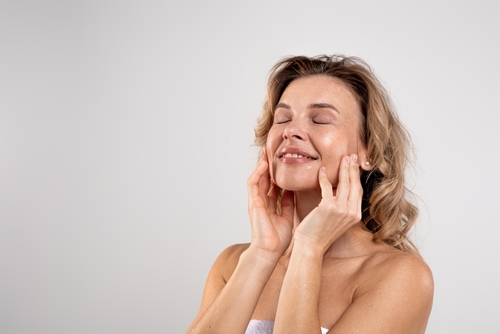
Crepey skin gets its name from the thin, finely wrinkled texture that looks similar to crinkled tissue paper. It often appears loose, saggy, and more delicate than other types of aging skin. This condition commonly shows up in areas where the skin is naturally thinner, such as under the eyes, on the neck, upper arms, and inner thighs.
Several factors work together to cause crepey skin. One of the biggest is a natural decline in collagen and elastin. These are the proteins that give your skin strength and flexibility. As the body produces fewer of them with age, the skin starts to lose its firmness and structure. Sun exposure makes things worse. Ultraviolet rays break down the same supportive fibers, accelerating the signs of aging and leaving the skin more susceptible to long-term damage.
Dryness can also lead to crepey texture. When skin doesn’t have enough moisture, it becomes brittle and less able to repair itself. Other factors, such as weight fluctuations, hormonal changes, genetics, smoking, stress, and pollution, can all contribute to the breakdown of healthy skin.
What Treatments Work Best for Crepey Skin?
To effectively treat crepey skin, the goal is simple but powerful: repair, rebuild, and renew. Non-surgical treatments have come a long way, offering effective options that improve firmness, boost hydration, and smooth out that thin, wrinkled texture. So, instead of just covering it up, effective treatments aim to awaken the skin’s natural ability to repair and strengthen itself.
Several non-surgical methods lead the charge in how we treat crepey skin. One of the most popular treatments is microneedling, where we create tiny, controlled pinpricks to stimulate the skin’s healing response. As the skin repairs these micro-injuries, it increases collagen and elastin production, resulting in a smoother, firmer texture over time.
Another science-backed approach we use is radiofrequency (RF) skin tightening. This treatment delivers gentle heat to the deeper layers of the skin, triggering collagen remodeling below the surface. As the tissue warms, it starts to contract and rebuild, gradually tightening and lifting the skin in a natural-looking way.
For surface-level renewal, chemical peels can play a valuable role. By exfoliating the outermost layer of dead or damaged skin, we help reveal newer, healthier skin underneath. The peeling process also signals the body to increase collagen production, supporting longer-term improvement.
At home, you can maintain results and support overall skin health with topical treatments. Ingredients such as retinoids, peptides, and antioxidants promote ongoing collagen support. Moisturizers rich in hyaluronic acid restore hydration and improve the skin’s plumpness, which helps reduce the appearance of creping.
The best results often come from a combined approach tailored to your skin’s specific needs. We can evaluate your skin and recommend a treatment plan that helps build collagen, boost hydration, and strengthen the skin’s barrier—so you see real, lasting improvement.
Discover the Next Step in Caring for Your Skin
Crepey skin may be common, but it isn’t something we have to settle for. When we choose care over resignation and support over silence, the skin responds—often in ways that surprise us. If your skin is showing signs of change, there are tools, treatments, and professionals ready to help it look and feel stronger, smoother, and more resilient. Let this be the moment where normal meets possibility.
Contact the Aesthetic Associates Centre in Buffalo, NY, to schedule your consultation and explore the treatments that can help your skin thrive.
BLOG CATEGORIES
Botox Fillers Chemical Peels Morpheus8 Microneedling Laser Treatment Facials MedSpa Tattoo Removal Weight Loss Plastic Surgery